Maya Okafor

@mayaokafor

Sample Account

Grid planner in Minneapolis. Transmission, heat pumps and the other unglamorous parts of cutting emissions.

7 followers8 following3 annotations
Maya OkaforMaya Okafor@mayaokaforSample AccountSep 30, 2026Climate, Economy
Primary source

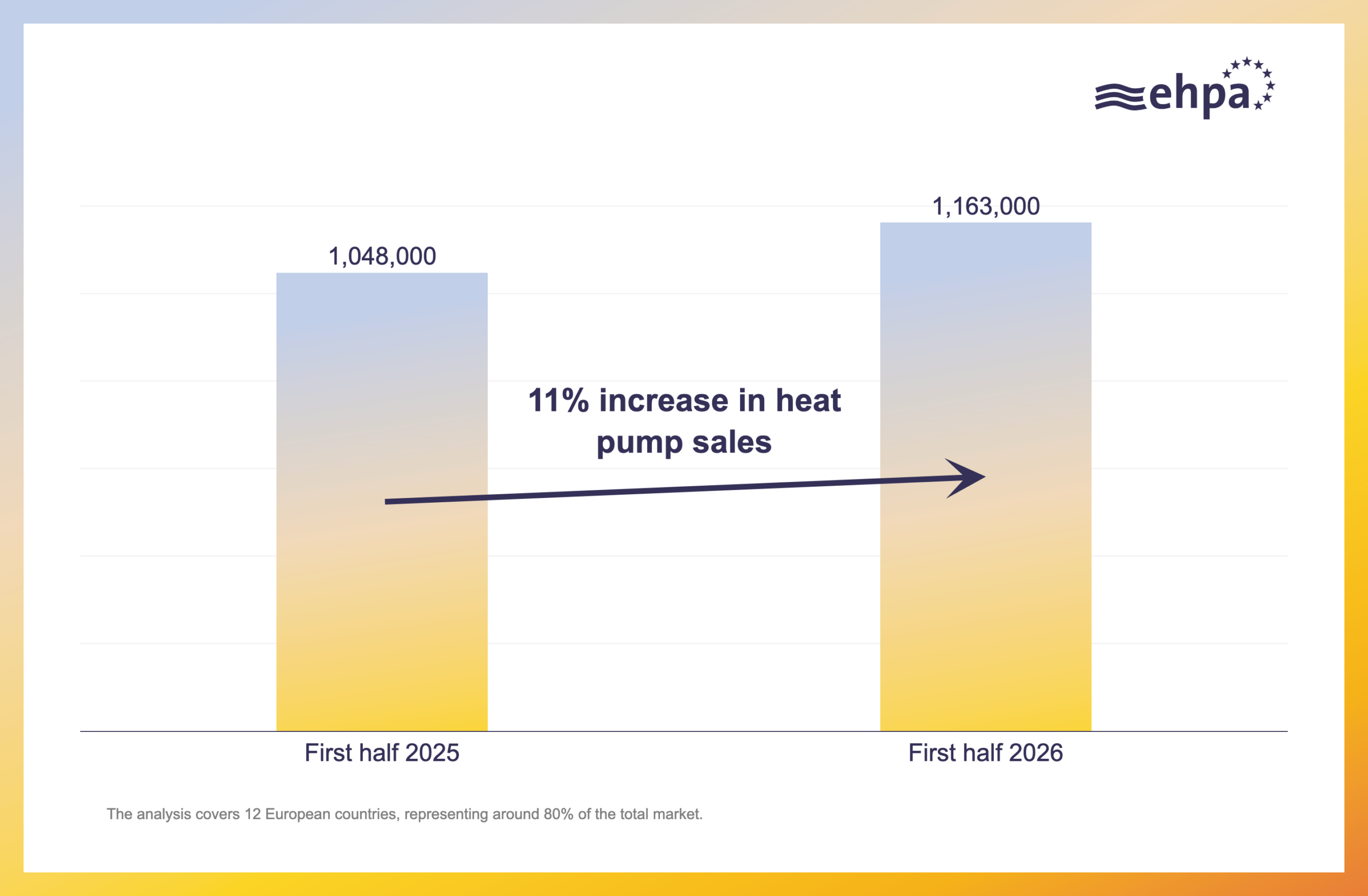
Around 1,163,000 residential heat pumps in six months, up 11%. Look at what EHPA itself names as the likely drivers: the gas price shock after Hormuz, and a push to cut taxes on electricity. Not a new subsidy. The running cost.

“In the first six months of 2026, sales of residential heat pumps rose by 11% in 12 European countries*, new figures from the European Heat Pump Association (EHPA) reveal. Around 1,163,000 were sold – up from 1,048,000 in the first half of 2025.”

Post-Hormuz heat pump sales climb 11%ehpa.org
This sentence is the whole fight. Tax the fuel you’re leaving, not the one you want.

“For now, EHPA findings show taxes on electricity are frequently higher than on gas, making it cost several times more.”

Post-Hormuz heat pump sales climb 11%· ehpa.org

The grid-planner line, tucked into paragraph five. Network charges are where my job lives. A heat pump that can move its load away from the peak hour is cheaper to serve than one that can’t, and the tariff should say so. The catch for a cold northern grid is that once enough heating is electric, the peak moves to winter and the heat pump becomes the peak. That’s exactly why rewarding flexibility now is the right instinct.

“It is proposing a revision of the network charges consumers pay on their power bills to reward flexible options like heat pumps.”

Post-Hormuz heat pump sales climb 11%· ehpa.org
Maya OkaforMaya Okafor@mayaokaforSample AccountSep 24, 2026Climate, Economy
Fact check

270 GW of data centers 'underway or planned' (2:29) is the number this whole talk stands on, and planned is where the padding lives. Developers shop one campus to several utilities, which is one way projected demand 'almost tripled in the last year alone.' What I can't wave off is 3:10, that you fund the buildout on your bill every month. Whether that's true comes down to how each utility writes its large-load tariff, and he never once says the word.

Clip transcript

Loading…

BNEF for scale, even after July's 83% upward revision to its 2035 number: 194 GW of data centers online by then, existing sites included. Still short of his 270 planned.

“BloombergNEF’s forecasted 2030 installed US data center capacity is now 118 gigawatts (GW), an upwards revision of 52% compared to our December 2025 forecast. We expect 194GW of data centers to be online in the US by 2035 – an 83% upward revision.”

Six Things to Know About BNEF’s New US Data Center Capacity Outlookabout.bnef.com
Maya OkaforMaya Okafor@mayaokaforSample AccountSep 18, 2026Climate, Economy
Reaction

Nobody in this clip says 'climate'. The case is the import bill: most of Pakistan's fuel imports pass through Hormuz, and the solar rush has avoided about $12 billion of them since 2017. What I want next is the utility's side. When the households that can afford panels buy less from the grid, who pays for the wires?

Clip transcript

Loading…