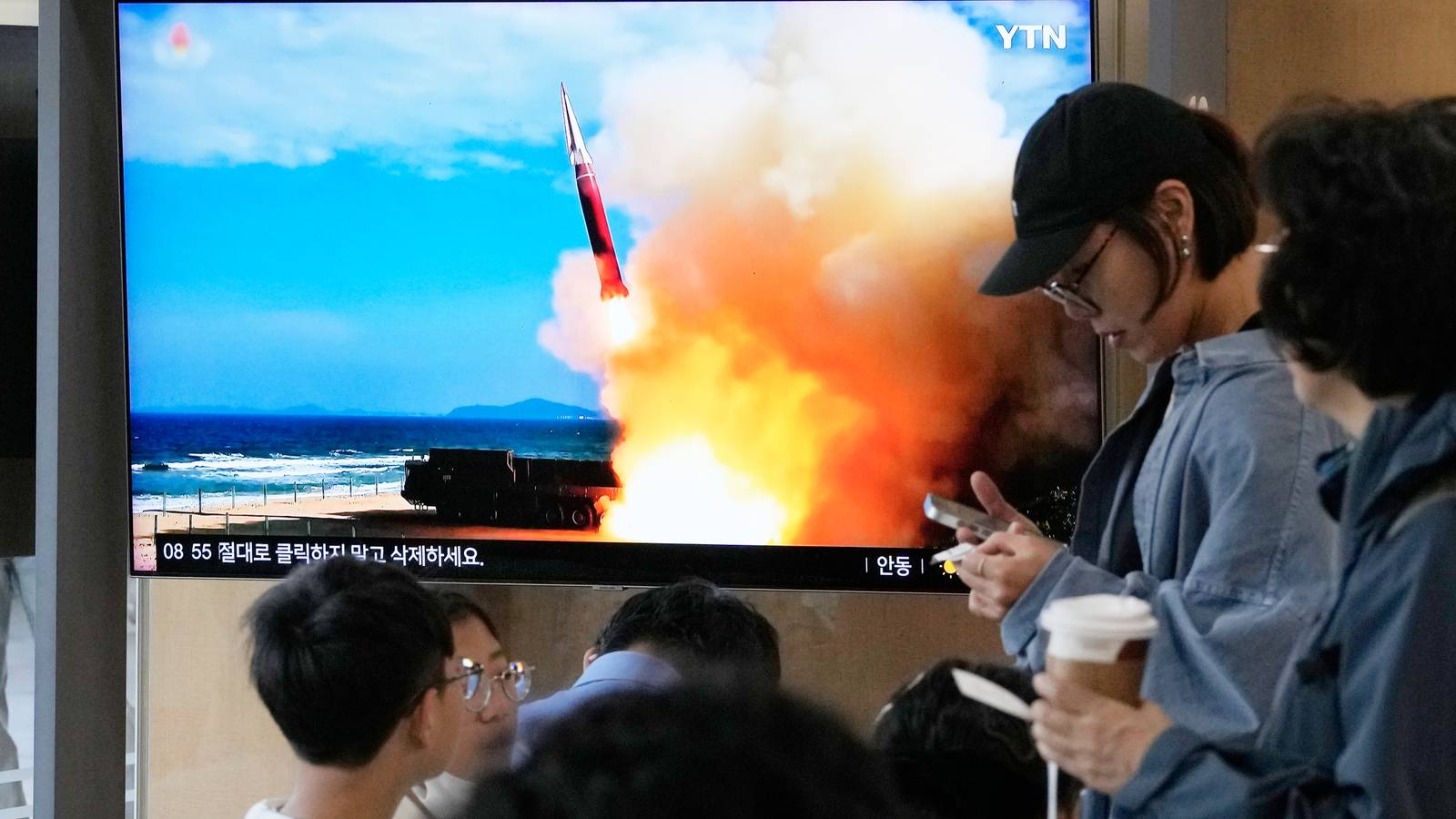
The South’s Joint Chiefs put a number on the flight: launched from Wonsan, more than 700 km. That is the detection claim to hold onto.
Kim Yo Jong’s statement goes further — a strategic missile that can change trajectory at low altitude and is hard to intercept. Treat the range report and the maneuverability boast as different grades of evidence, not one merged headline.
“South Korea’s Joint Chiefs of Staff said early Saturday it detected the North Korean missile being launched from the eastern coastal Wonsan area and flying more than 700 kilometers (435 miles).”
Warm water alone doesn't make hurricanes. Wind shear, winds changing speed and direction with height, tears young storms apart first. Same El Niño, opposite result in the Pacific: 20 named storms, three of them Category 5.
“Water temperatures have been warm enough for Atlantic hurricanes, but El Niño-fueled wind shear, aka tropical-system kryptonite, is the biggest reason the season has been squashed.”
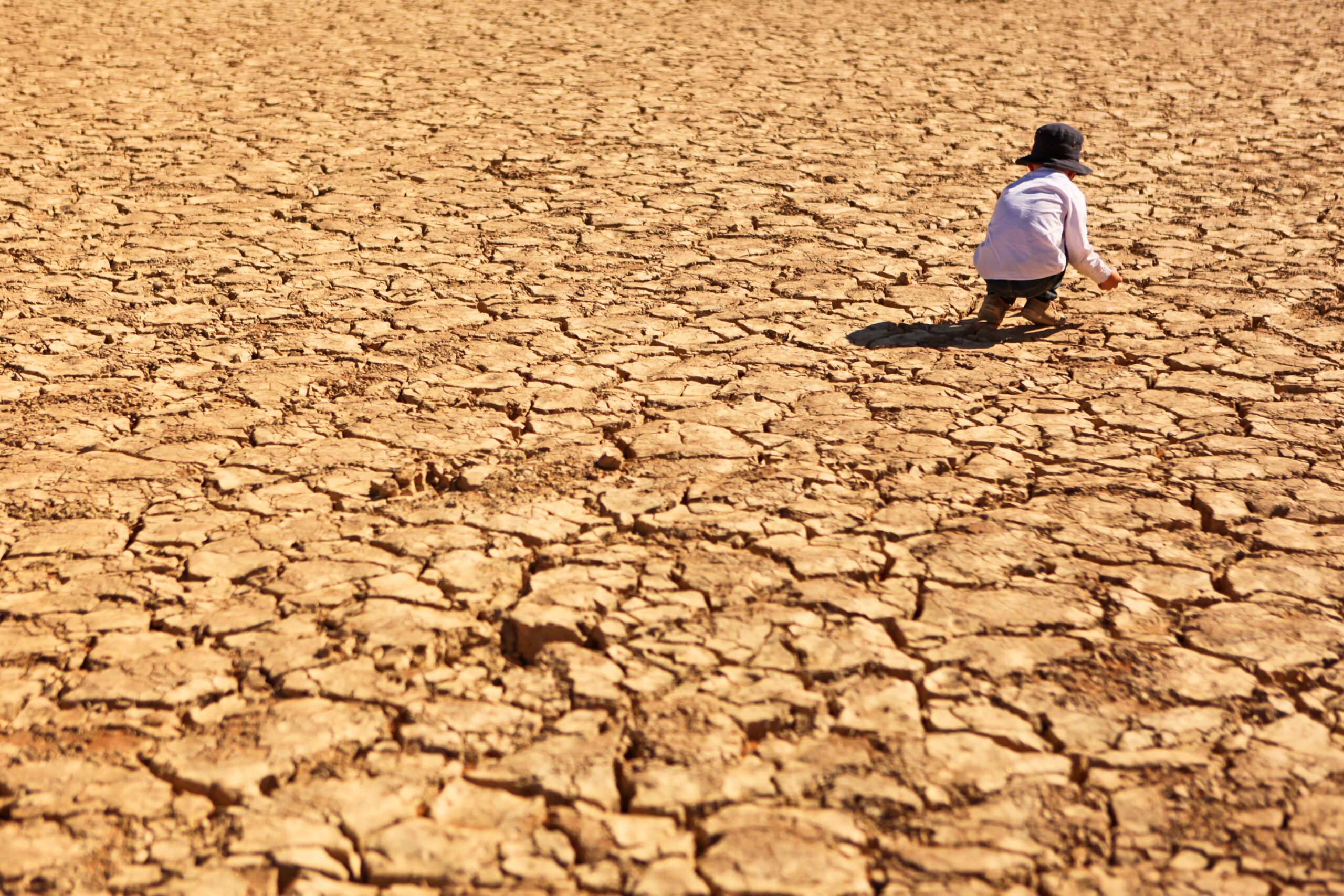
Fair question from the BBC host, and an honest answer. The climate scientist on the show says he hasn’t been able to look at the exact methodology behind the 450,000 figure. What he will vouch for is the direction: extreme heat kills, and Europe’s summer showed it without any help from El Niño. That’s the right way to handle a number you haven’t checked. So I went and read the source.
First thing the report settles is the window. It’s June through February, nine months counted from when El Niño arrived, not “the next six months”. The six-month framing belongs to the regional numbers further down, like 31,400 in Nigeria.
“The 451,000 deaths projected to occur during the first nine months (June-February) of El Niño alone are about 65 times larger than the 6,800 people believed to be dead or missing from the recent Nepal flash flood.”
The outside expert CNN asked put it better than I could. Plausible as a modeling exercise, not a definitive prediction. That fits how it was built: temperature and mortality curves for more than 24,000 regions, run through seasonal forecasts and compared with an average year.
“Raquel Nunes, associate professor in health and environment at the University of Warwick in England, who was not involved in the report, said “the estimate of 451,000 deaths is plausible as a modeling exercise, but it should not be viewed as a definitive prediction. Its value lies in highlighting the potentially severe consequences of El Niño-driven extreme heat and the urgent need for preparedness.””
And here’s how it sounded on CBS a few days later: scientists “anticipating we could see as many as 450,000 deaths”. The BBC host said “as many as” too. That turns a central estimate into a ceiling, when CNN reports the researchers expect the number to rise. If you repeat it, say about 451,000, June to February, not yet peer reviewed.
Somebody's headline is going to turn 'a hundred times larger than Hubble's or Webb's infrared views' into '100x Hubble', and readers will picture a sharper Hubble. The mirror is the same 2.4 meters as Hubble's. The hundred times is sky per image, from 18 detectors tiled into one 300 megapixel frame, and the payoff is more than a billion galaxies in its first five years. I'm pitching it as the telescope built for statisticians, which my editor is going to hate.